Water Softener and Hard Water in Longwood, FL: What Homeowners Need to Know in 2026
Hard water is one of the most common household problems in Longwood and installing a softening system may be the most practical solution for protecting your home and comfort in 2026. Longwood is a city in Seminole County, Florida, and like most of Central Florida, its tap water draws from a limestone-rich underground source that leaves mineral buildup everywhere it touches. This guide covers what causes hard water in this area, how to spot it in your home, what it costs you over time, and how a water softener addresses each problem.
Why Longwood Has Hard Water
Longwood's tap water tends to be hard because of where it comes from. Florida sits atop a vast platform of porous limestone and dolomite rock, and the Floridan Aquifer System, which underlies virtually all of Florida, is composed of this limestone karst. Groundwater dissolves enormous amounts of calcium carbonate as it percolates through. The City of Longwood supplies drinking water that sources its supply from groundwater. That means every time water moves from the ground into your pipes, it brings dissolved minerals with it.
Water is described as "hard" when it contains high levels of dissolved minerals, primarily calcium and magnesium. These minerals are not a health threat, but they create real problems for your plumbing, appliances, and daily routines. Most Florida homeowners in central and south Florida may benefit from a whole-home water softener.
What Are the Signs of Hard Water in Your Home?
Hard water leaves clues all over your house. Knowing what to look for can help you decide whether treatment makes sense for your situation.
Here are the most common signs Longwood homeowners notice:
- White or chalky deposits on faucets, showerheads, and around drains.
- Spots and streaks on glasses and dishes right out of the dishwasher.
- Soap that does not lather well, whether in the shower or the sink.
- Dry, itchy skin and dull hair after bathing.
- Stiff, faded laundry even after washing with detergent.
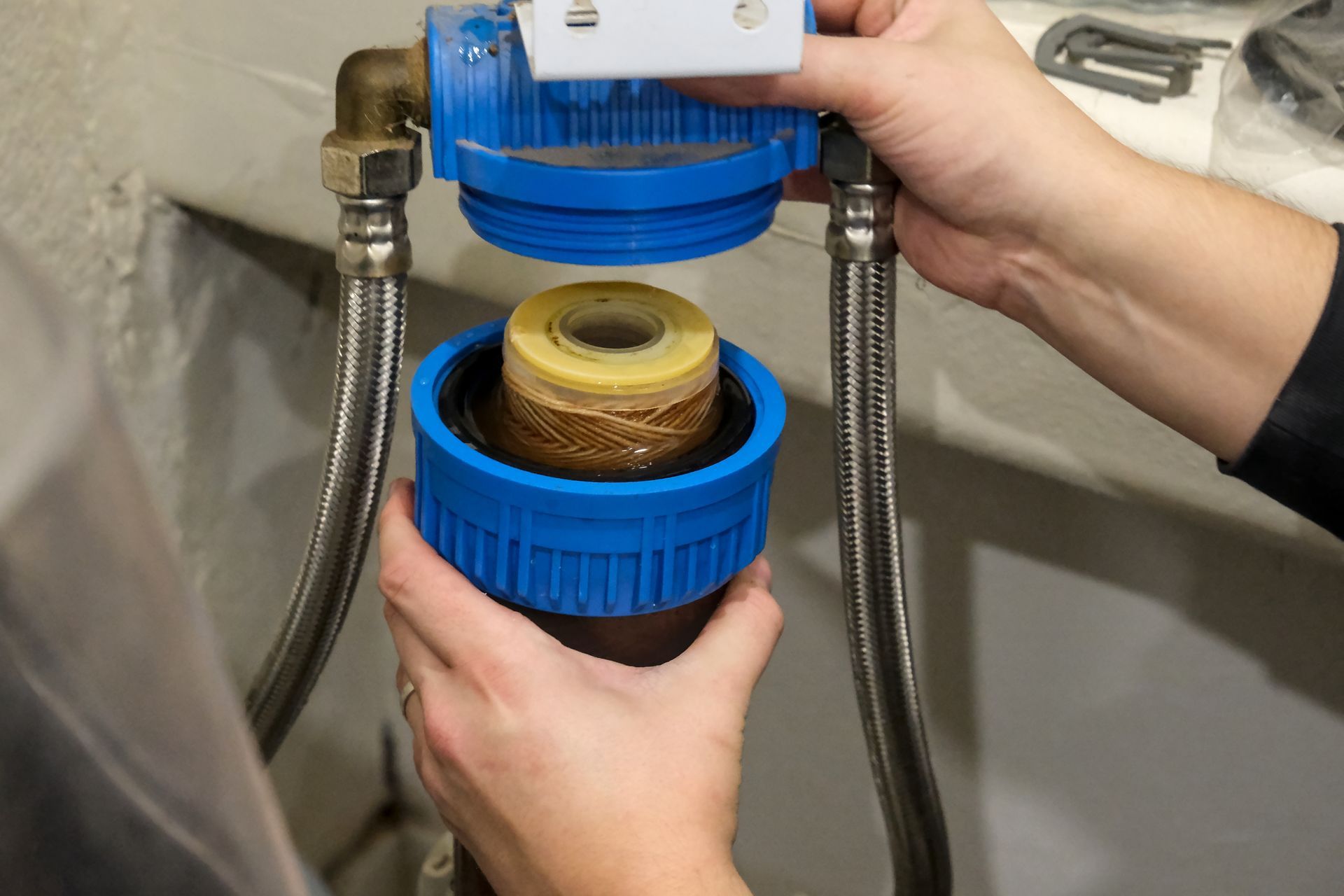
- Scale that builds inside water heaters, dishwashers, and pipe fittings, reducing efficiency and shortening appliance life.
Homes near the Wekiva Springs area and throughout Seminole County's western neighborhoods may notice these signs sooner, especially in older builds where pipe interiors have had years to accumulate mineral scale.
How Hard Water Can Affect Your Home's Costs
Hard water is more than an annoyance. It can quietly drive up your household expenses month after month.
Without a softening system, mineral deposits can accumulate inside pipes and water-based appliances, reducing efficiency and causing potential damage over time. A water heater working against scale buildup may use more energy to heat water to the same temperature. Appliances like dishwashers and washing machines may wear out faster. You might find yourself buying more soap, more detergent, and more cleaning products just to get the same results you would with softer water.
Detrimental effects of hardness include excessive soap consumption in homes and laundries, formation of scums and curds, yellowing of fabrics, toughening of vegetables cooked in hard water, and the formation of scale in boilers. Over a full year, those added costs can add up significantly for a Longwood household.
How a Water Softener Works
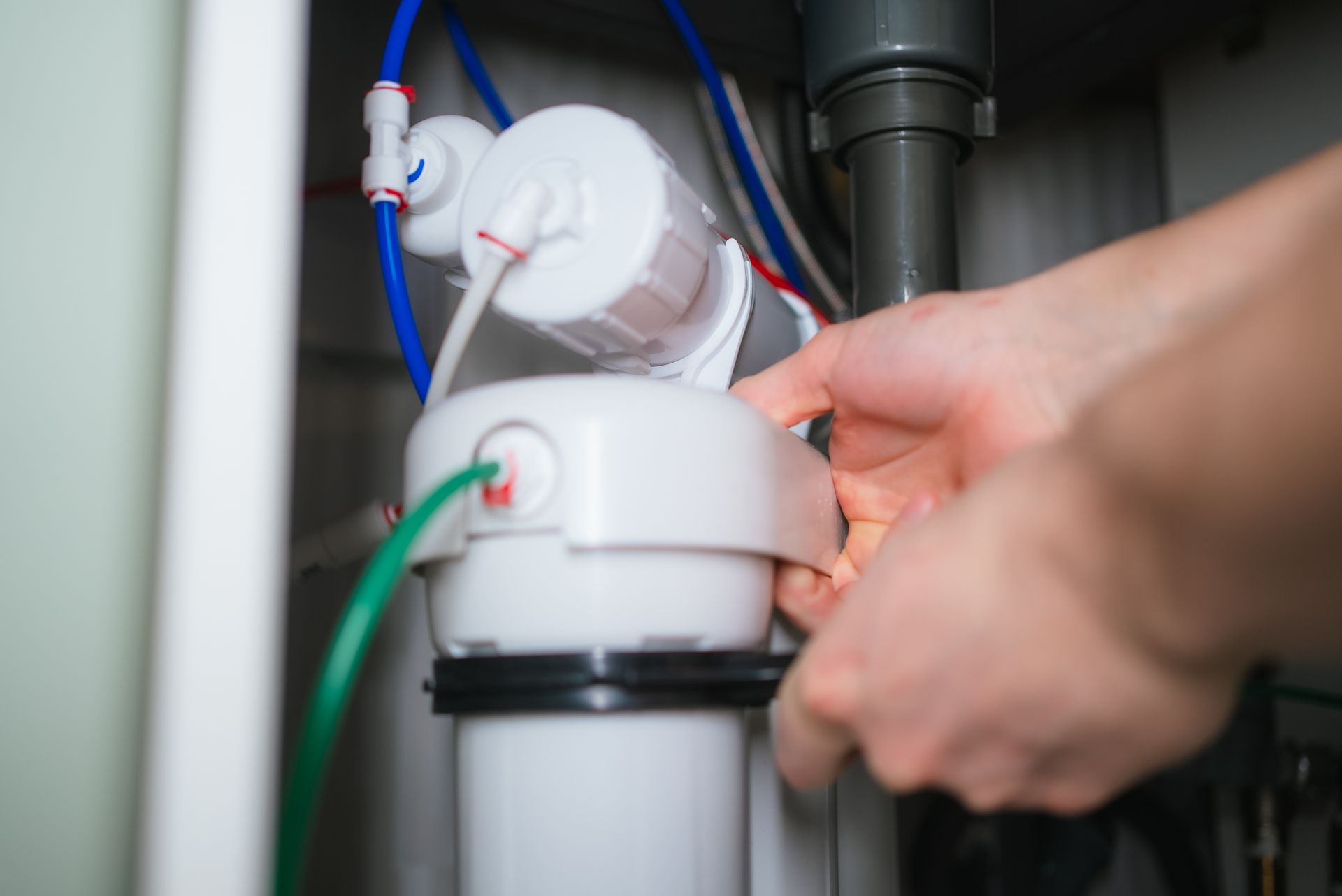
A water softener tackles hard water at the source before it ever reaches your faucets. This type of system is designed to remove calcium and magnesium, the primary minerals responsible for hard water. This is done through ion exchange, where sodium or potassium ions replace these hard minerals, preventing scale buildup in your plumbing and appliances.
The result is water that feels noticeably different. Softened water not only helps prevent these issues but also enhances everyday tasks like washing clothes, showering, and cleaning dishes. Your soaps and shampoos lather more easily. Your appliances run more efficiently. Your fixtures stay cleaner with less scrubbing.
You can learn more about the full range of water conditioning options available for Central Florida homes on the water conditioning services page.
Is a Water Softener Worth It?
For most Longwood homeowners, the answer is yes. The City of Longwood experiences high ratings of water hardness, which puts local plumbing and appliances under more stress than in areas with naturally softer water. The Wekiva Springs Road corridor and neighborhoods closer to the Seminole-Orange County border often rely on the same Floridan Aquifer groundwater supply, making hard water a widespread issue rather than an isolated one.
There are different types of softening systems, and selecting the right one depends on your household size, water usage, and specific water quality issues. A licensed plumber familiar with Seminole County water conditions can test your water and recommend the right system size for your home.
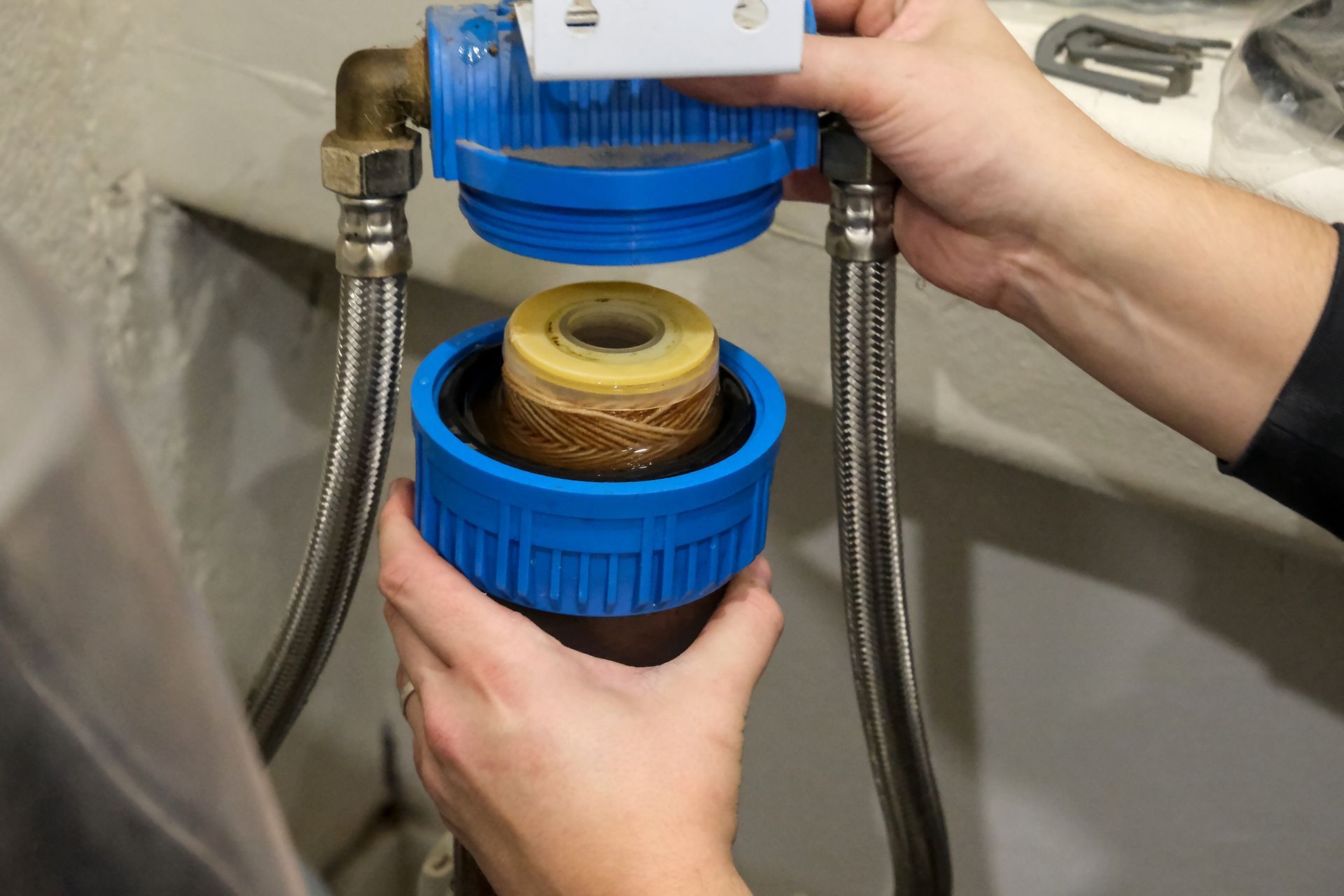
Some homeowners also pair a water softener with a whole-house filtration system. Carbon filtration removes chlorine taste, odors, and VOCs common in Floridan Aquifer water. Together, these systems can address both hardness and other water quality concerns at once.
Take the Next Step Toward Better Water!
If you have noticed any of the signs described here, the smartest move is to schedule a water test. It takes the guesswork out of the process and gives you a clear picture of what your water actually contains. Maitland Winter Park Plumbing has been serving Longwood, FL, and the surrounding Seminole County area for over 60 years, and our team can recommend a water softener solution matched to your specific water conditions. We offer competitive pricing with a clear, upfront quote before any work begins, so there are never any billing surprises.
Call us today at
(407) 647-7996 to schedule your water test. You can also
check our Google profile to read reviews from local Longwood and Seminole County homeowners.