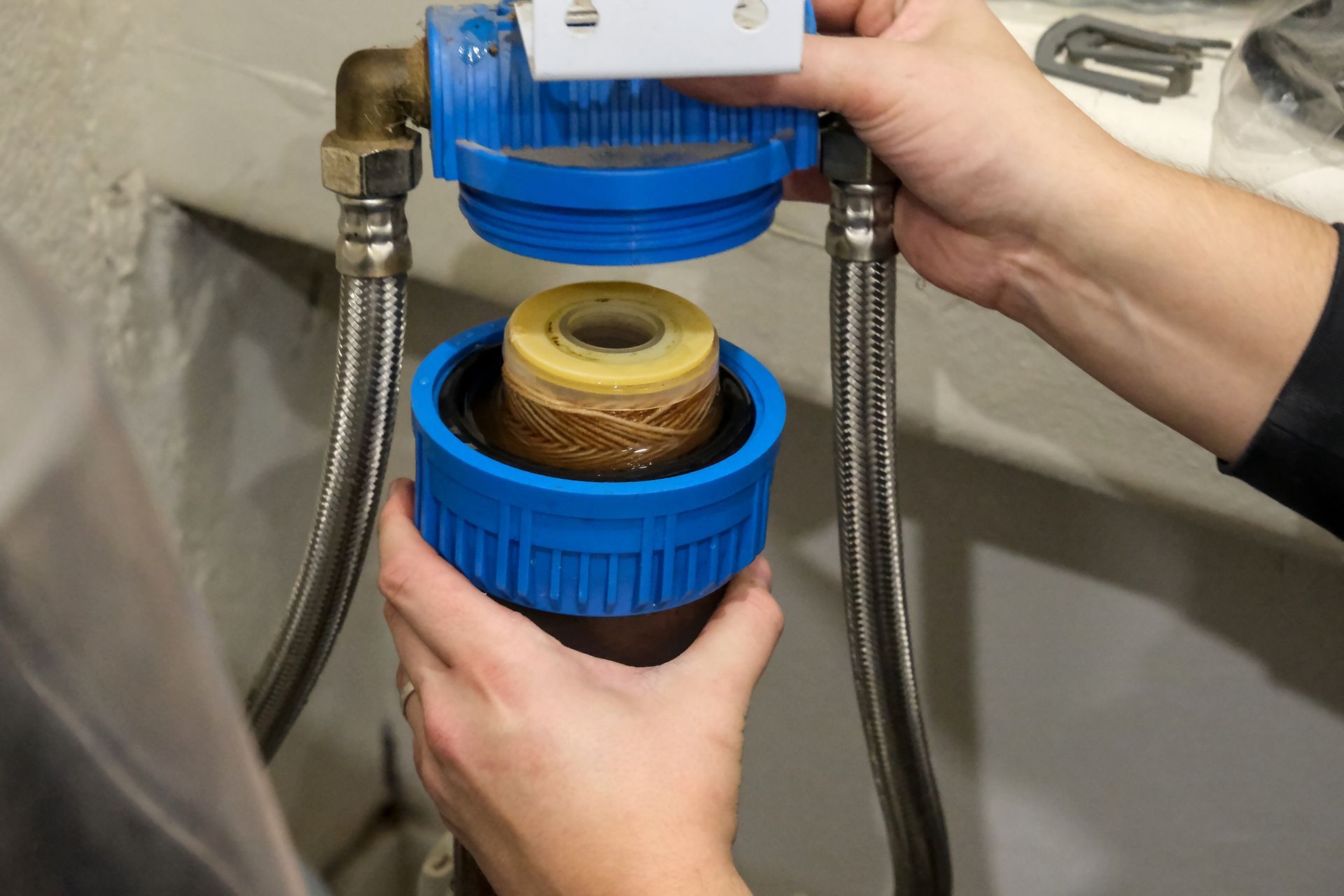
Water Softener vs. Water Filter: Which System Is Right for Longwood, FL, Homes?
Homeowners in Longwood, FL, face a clear choice when tackling water quality problems: a softening system, a water filter, or a combination of both. This guide breaks down how each system works, what problems they solve, and which option may make the most sense for your home.
Why Longwood, FL, Homes Face Unique Water Quality Challenges
Longwood sits within Seminole County and draws municipal water from the Floridan Aquifer, a massive underground reservoir beneath limestone rock. As rainwater filters through soil into the aquifer, it picks up dissolved calcium and magnesium. Florida water hardness commonly ranges from 7 to 12 grains per gallon (gpg), with many Central Florida areas reaching the "very hard" threshold of 10.5 gpg.
Hard water is not a health hazard, but it causes real problems. Scale builds up inside water heaters, dishwashers, and pipe fittings, reducing efficiency and shortening appliance life. You may also notice soap scum on shower doors, chalky residue on faucets, and stiff laundry after a full wash cycle.
Seminole County water is also treated with chloramines for disinfection. This meets all safety standards but can leave a noticeable taste and odor at the tap. Some homeowners with older plumbing also have lead concerns. These are problems a softening system alone cannot fix.
How Does a Softening System Differ from a Water Filter?
A softening system and a water filter solve completely different problems.
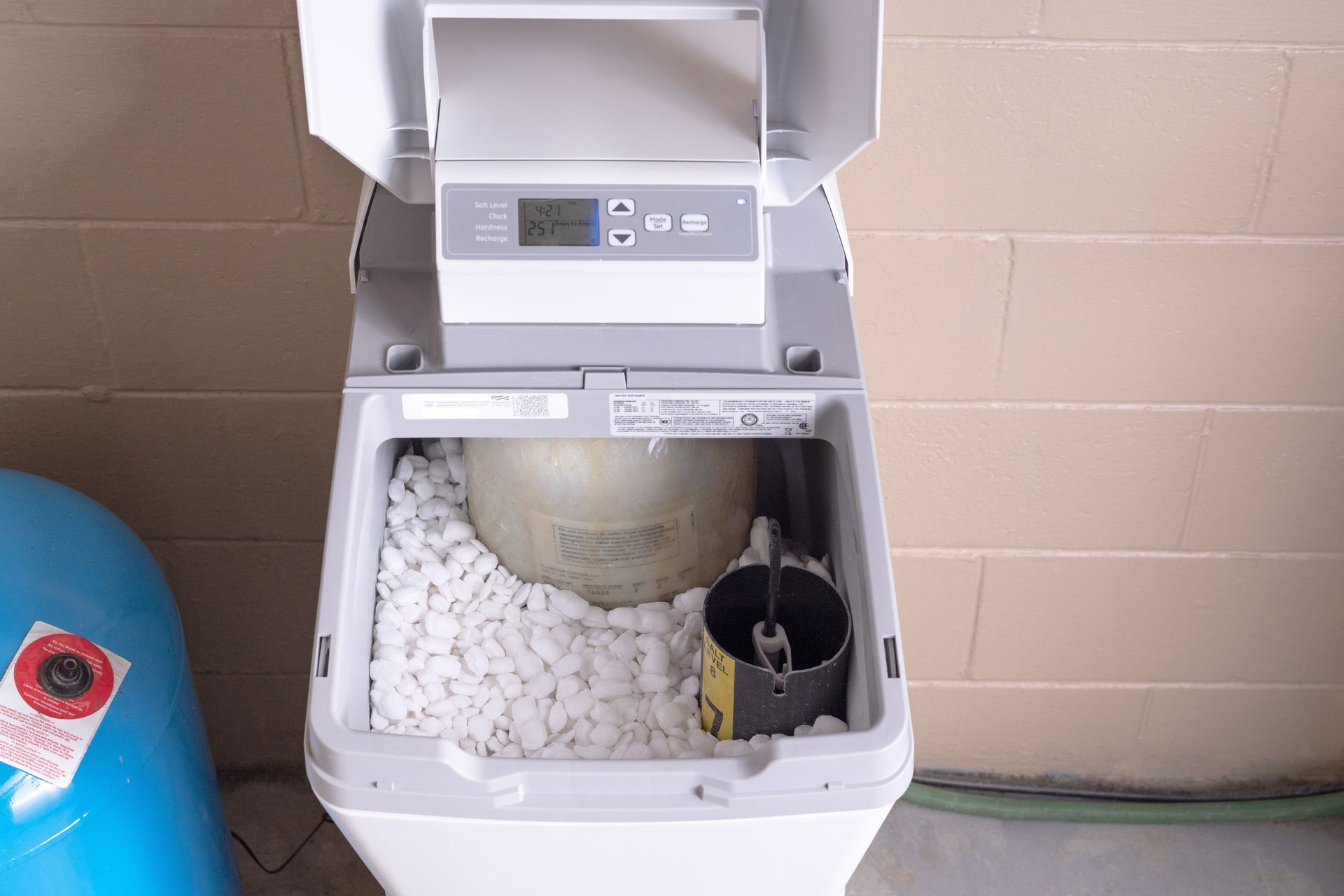
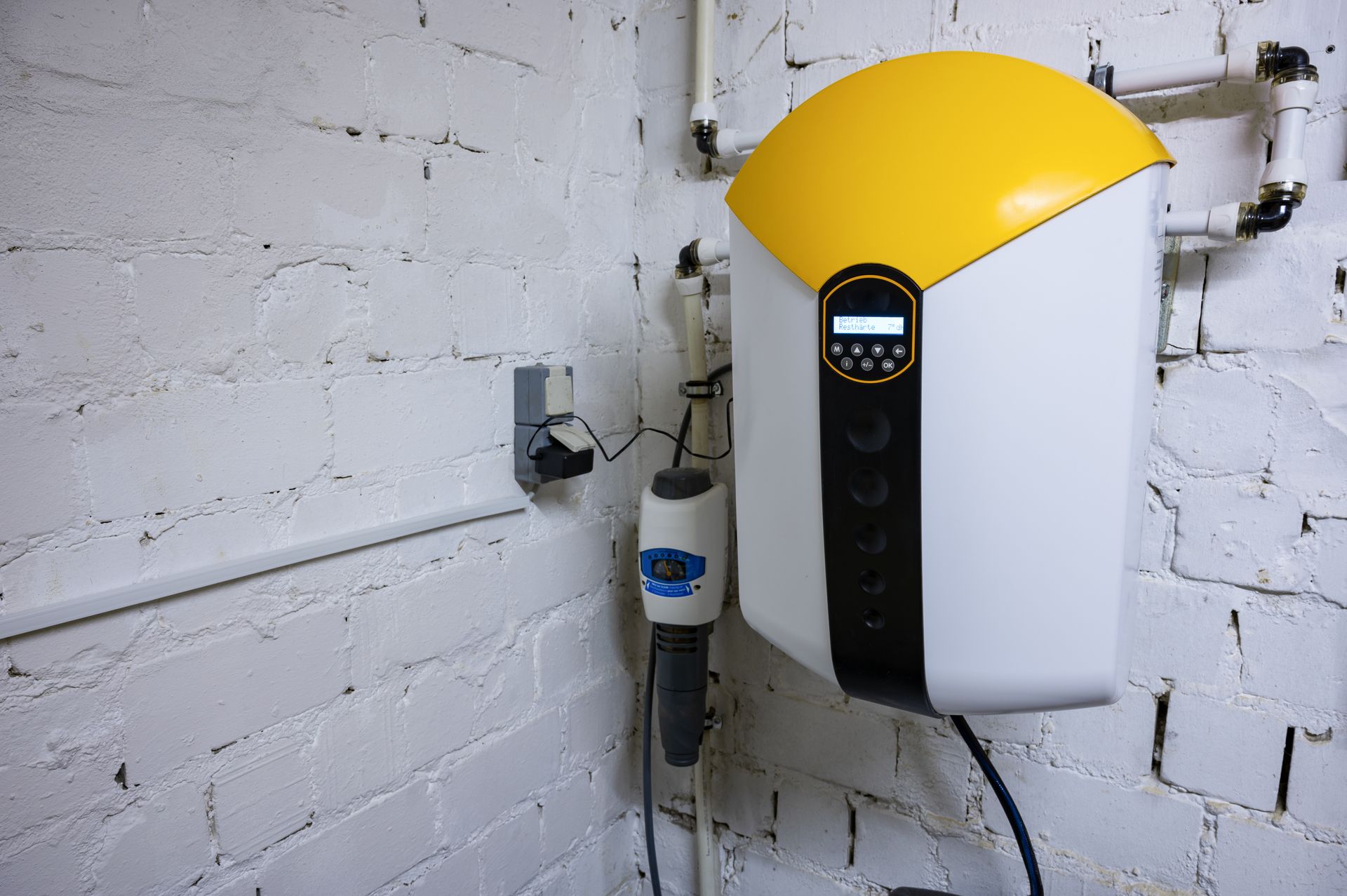
A water softener targets mineral hardness. Most salt-based systems use ion exchange, where sodium or potassium ions replace the calcium and magnesium that cause hard water. The result is water that is gentler on pipes, appliances, skin, and hair, and that allows soaps and shampoos to lather more effectively.
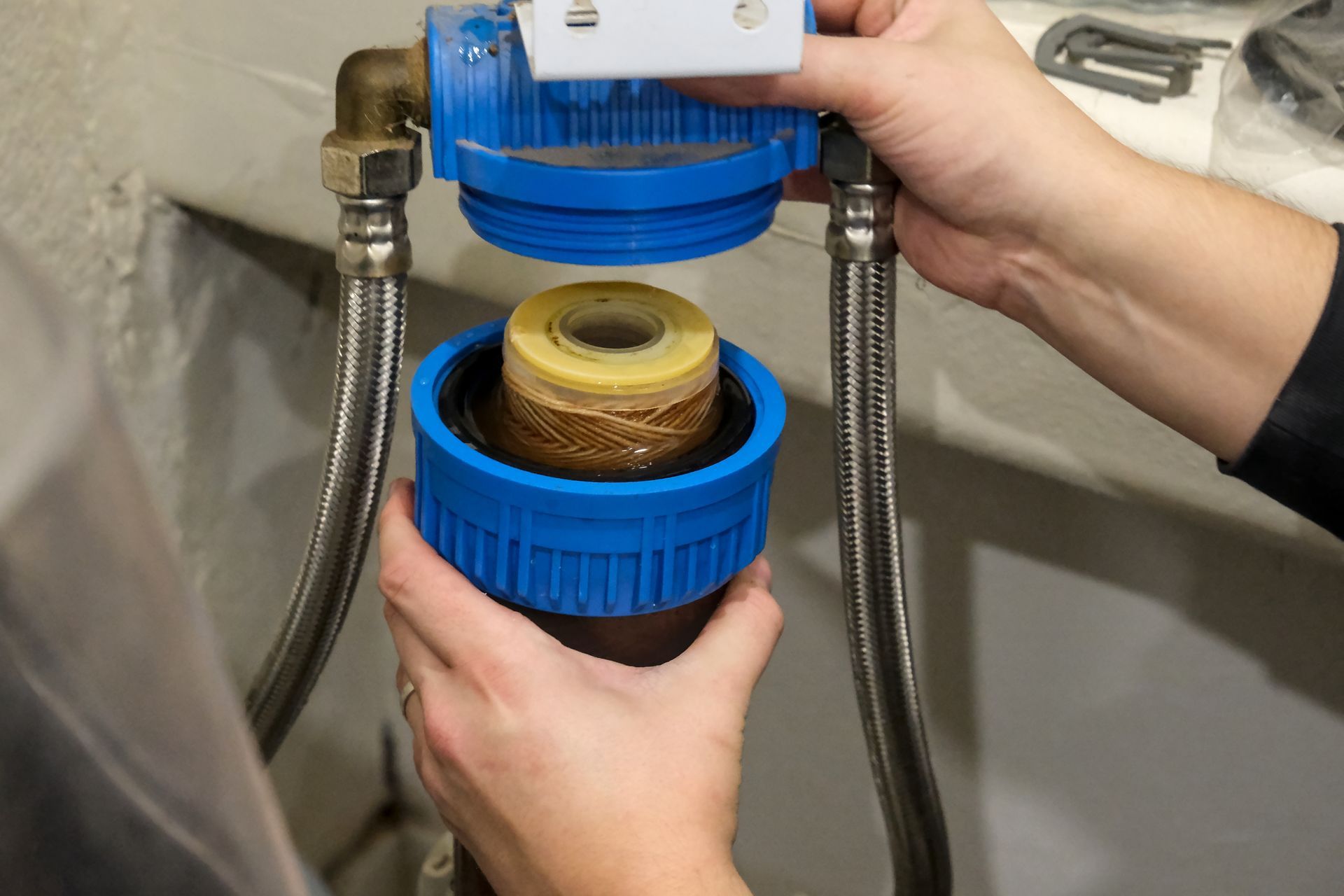
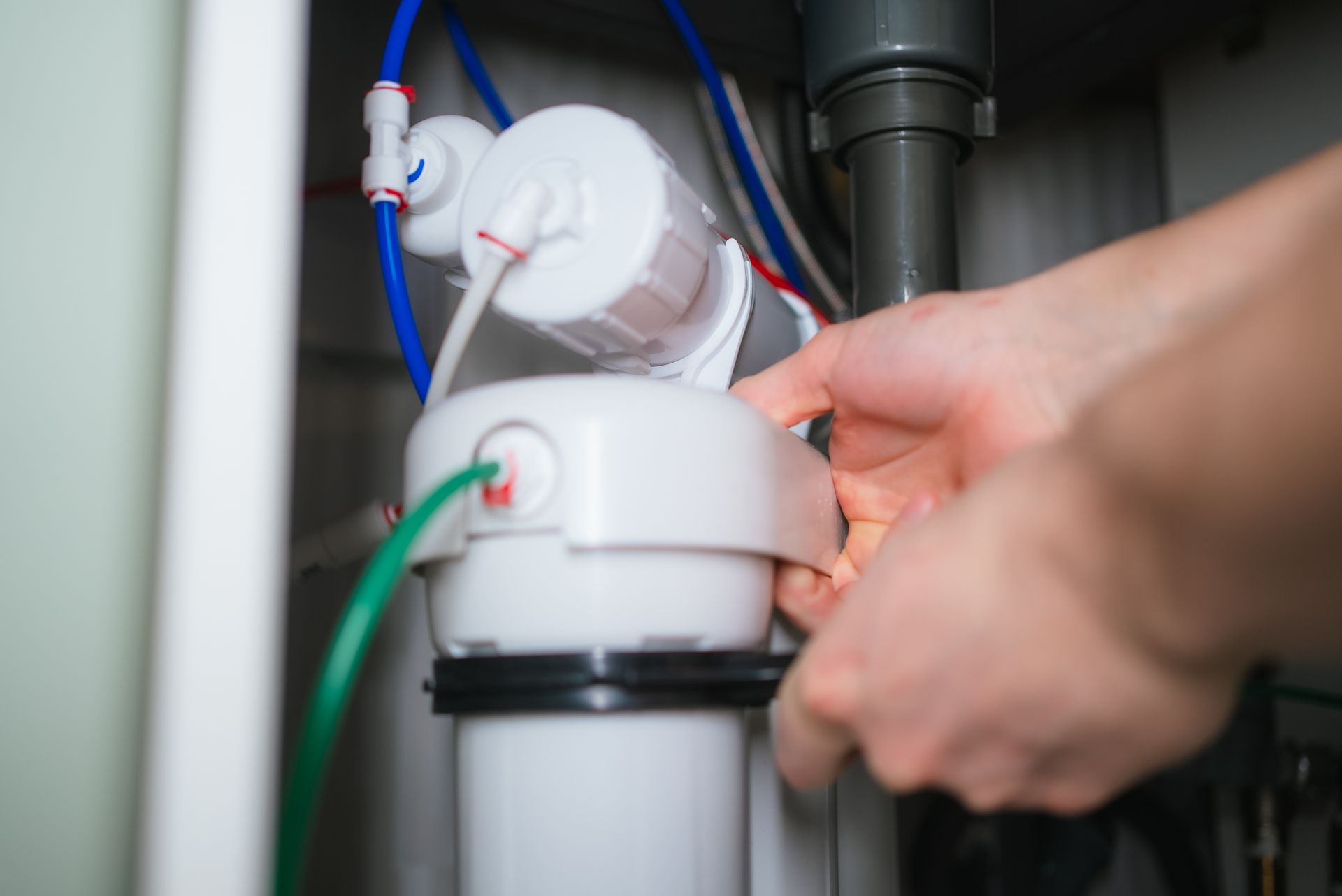
A water filter targets chemical contaminants, taste, and odor. Common types used in Central Florida homes include activated carbon filters, which reduce chlorine, chloramines, and VOCs; reverse osmosis (RO) systems, which remove heavy metals and dissolved solids at the kitchen sink; and UV purifiers, which neutralize bacteria and viruses.
A water filter does not remove calcium or magnesium. A softening system does not remove chlorine or chemical contaminants. They serve complementary purposes.
Side-by-Side Comparison: Water Softener vs. Water Filter
| Feature | Water Softener | Water Filter |
|---|---|---|
| Removes hard minerals (calcium, magnesium) | Yes | No |
| Reduces chlorine and chloramines | No | Yes (carbon filter) |
| Prevents scale buildup in pipes | Yes | No |
| Improves drinking water taste | No | Yes |
| Removes heavy metals | No | Yes (RO system) |
| Whole-house protection | Yes | Varies by system |
| Addresses Floridan Aquifer hardness | Yes | No |
Which Problems Does Each System Solve?
Choose a softening system if you are dealing with chalky deposits on fixtures, reduced water heater efficiency, dry skin and dull hair after showering, soap that will not lather, or frequent plumbing maintenance from mineral buildup.
Choose a water filter if you are dealing with a chlorine smell from the tap, concern about dissolved chemicals or heavy metals, or poor-tasting drinking water.
Consider both systems if you want softened water throughout the home and purified water at the kitchen sink, or long-term protection for both plumbing and drinking water quality.
Many Longwood homeowners pair a salt-based water softener with a point-of-use reverse osmosis system at the kitchen sink. The softener handles the whole house while the RO system delivers clean, great-tasting water for drinking and cooking.
When Should You Get a Professional Water Test First?
A water test is the most reliable way to determine which system your home actually needs. It can identify hardness level, chloramine concentration, iron content, pH, and other contaminants. Once you know what is in your water, choosing between a softening system, a filter, or a combined solution becomes straightforward.
Ready to Upgrade Your Water Quality in Longwood, FL?
Maitland Winter Park Plumbing has served Longwood and surrounding Seminole County communities for more than six decades, offering water softener installation, water conditioning, and filtration solutions backed by transparent, upfront pricing.
To explore your options, visit the water conditioning and filtration services page. When you are ready to schedule service or request a water test, contact the team here or call (407) 647-7996.
Find
Maitland Winter Park Plumbing on Google to read what Longwood-area homeowners have said about their water treatment experience.
What Is the Difference Between a Water Softener and a Water Filter?
A water softener removes calcium and magnesium through ion exchange to address hard water. A water filter removes chemical contaminants, chlorine, and dissolved solids to improve taste and water quality. They solve different problems and are often used together.
Does Longwood, FL, Have Hard Water?
Yes. Longwood draws water from Seminole County sources originating from the Floridan Aquifer. Florida water typically measures between 7 and 12 gpg, which falls in the hard to very hard range. A professional water test can confirm the exact hardness level at your tap.
Will a Softening System Improve the Taste of My Drinking Water?
No. A softening system removes hardness minerals but does not reduce chlorine, chloramines, or chemical compounds that affect flavor. A carbon filter or reverse osmosis system is the better choice for drinking water taste.
Can I Use Both a Water Softener and a Water Filter in My Home?
Yes, and many Longwood homeowners do. A whole-house water softener protects pipes and appliances from scale, while a point-of-use reverse osmosis or carbon filter provides clean, great-tasting water at the kitchen sink. The two systems work together without conflict.
How Longwood's Hard Water Affects Your Plumbing and How Water Softener Installation Can Help in 2026